The Ultimate Home Protection Plan with Termite Control Services
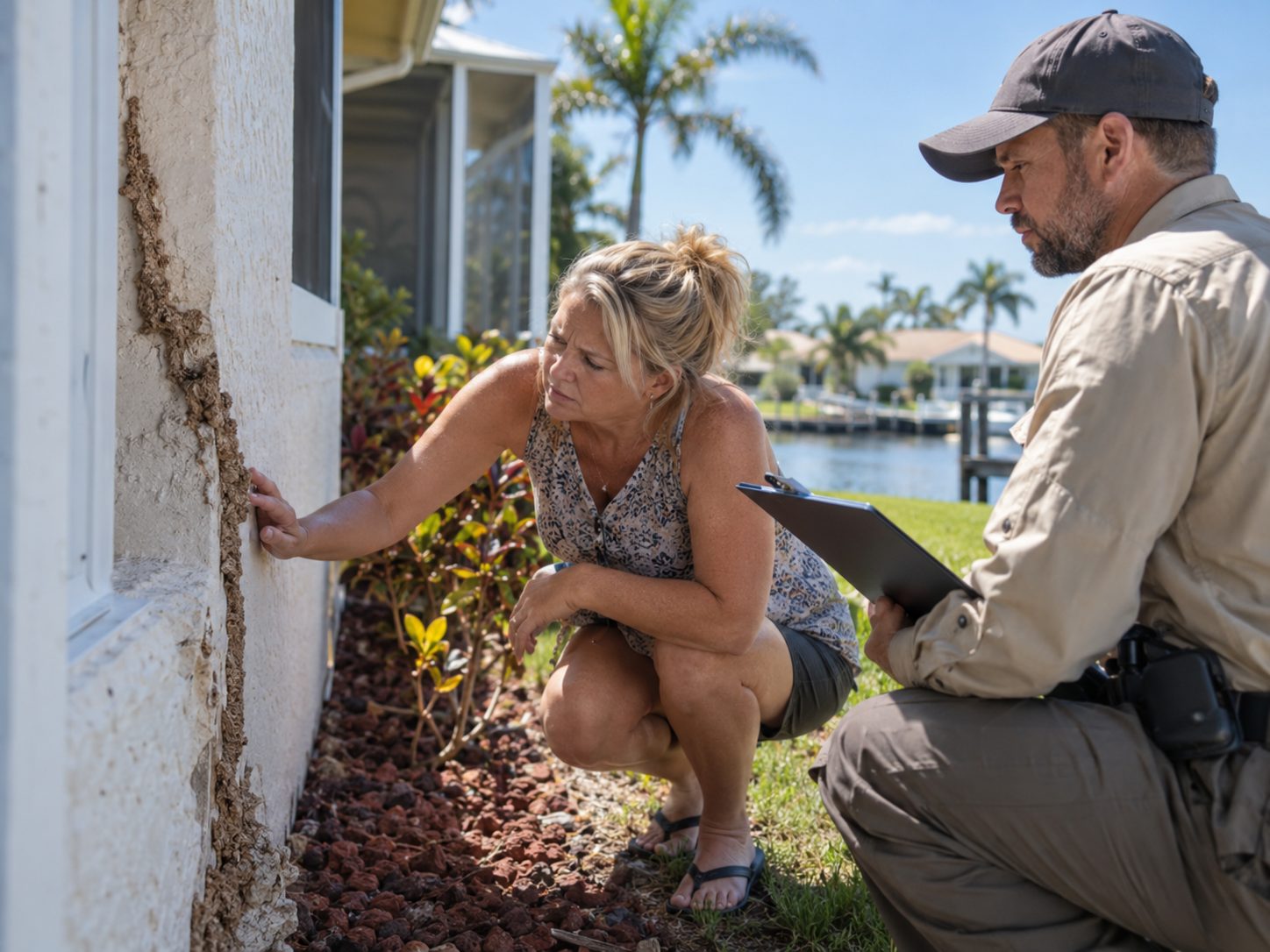
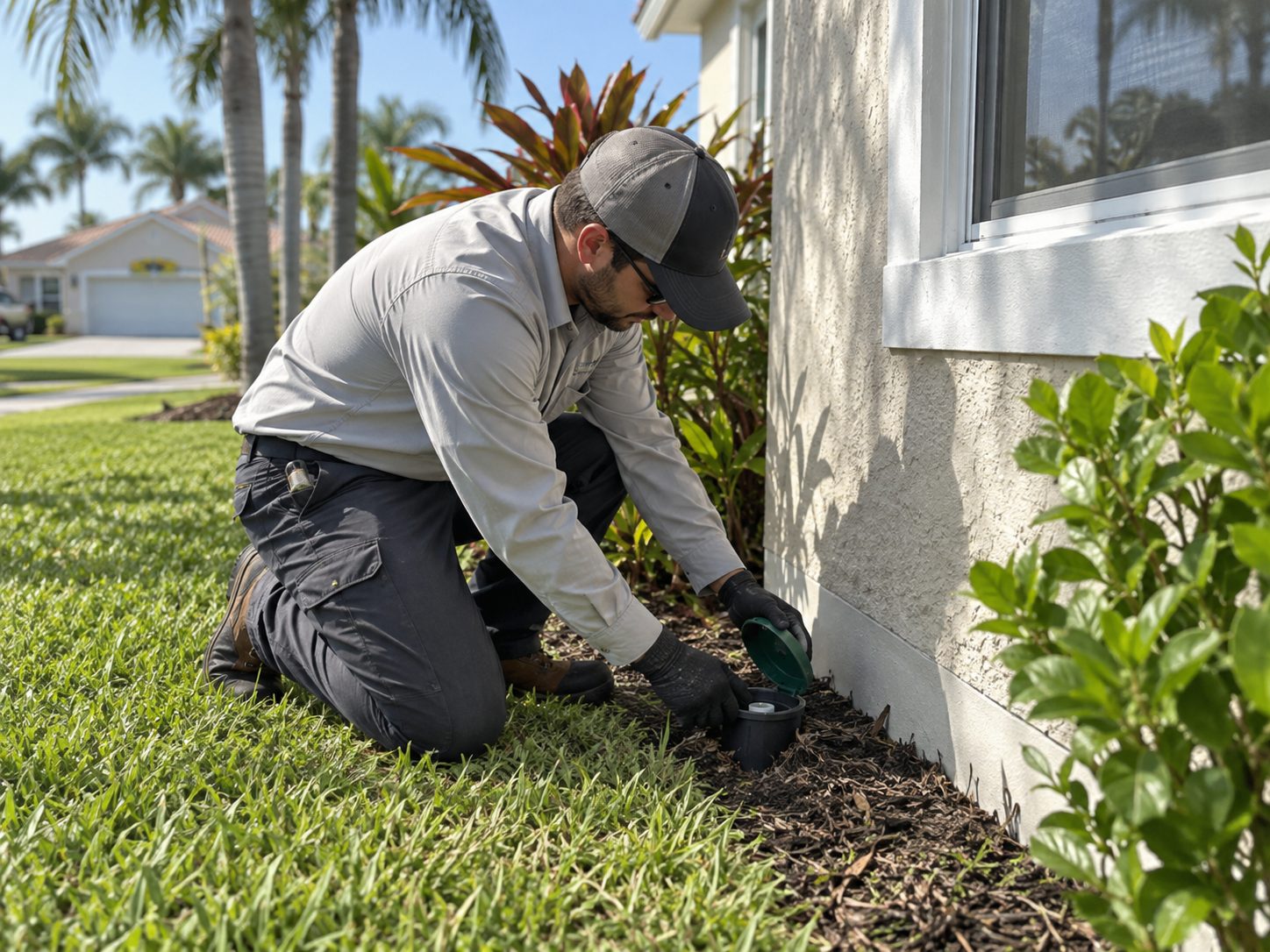
A strong home protection plan does not start with locks, cameras, or storm shutters. It starts much lower, often beneath the floor, behind a wall, or inside a damp crawl space where damage can build for months before anyone notices. Termites work quietly, and that is what makes them expensive. By the time most homeowners see a sign, some of the damage has already been done.
That is why termite prevention deserves a place alongside roofing, plumbing, and electrical maintenance. It is not a specialty concern reserved for old houses or wooded lots. New construction can be vulnerable. Well-kept homes can be vulnerable. Even properties that have never had a pest issue can become attractive if moisture, soil contact, or a small structural gap gives termites a route in.
The best protection comes from a plan, not a panic response. Termite Control Services are most effective when they are built into routine property care, with inspections, treatment when needed, and smart maintenance decisions that reduce risk over time. Homeowners who Termite Control Services treat termite protection as a one-time purchase often end up reacting too late. Homeowners who treat it as an ongoing system usually spend less and sleep better.
Why termites cause such costly problems
Termites are different from pests that announce themselves. A line of ants across the kitchen counter gets immediate attention. A wasp nest under the eave is obvious. Termites can stay hidden inside wood, behind drywall, or below grade while feeding on structural material. In many homes, they first Termite Control Services show up as a subtle symptom that seems easy to dismiss: a door that starts sticking, paint that bubbles, a patch of flooring that feels soft, or a faint clicking sound in a wall on a warm day.
The financial stakes are real. Repair bills vary widely, but even a localized infestation can lead to thousands of dollars in carpentry, drywall, trim, flooring, and repainting. If damage reaches support members, the cost climbs quickly. In severe cases, the direct pest treatment is the smaller invoice. The larger burden comes from reconstruction, disruption, and the unpleasant discovery that homeowners insurance often does not cover termite damage because it is considered preventable maintenance rather than sudden accidental loss.
There is also the resale factor. During a home sale, evidence of past or active termite activity can slow negotiations, trigger extra inspections, and raise questions about hidden defects. A clean inspection history, on the other hand, can reassure buyers and support the value of the property.
The difference between termite prevention and termite treatment
Many people use the terms interchangeably, but they are not the same thing. Prevention is the long game. It focuses on making the property less attractive and less accessible to termites. That can include moisture control, correcting wood-to-soil contact, sealing gaps, monitoring for activity, and maintaining protective barriers around the structure.
Treatment is the direct response to active activity or confirmed risk. Depending on the species, construction type, and site conditions, a professional may recommend a liquid termiticide barrier, a baiting system, targeted wood treatment, or a combination approach. Good providers do not force a one-size-fits-all solution because the right method for a slab-on-grade suburban house is not always the right one for a pier-and-beam home with a crawl space.
A homeowner once described termite service to me as “spraying the house once and forgetting about it.” That idea is common, and it is one reason infestations return. A proper plan accounts for the biology of the pest and the realities of the building. Soil shifts. Mulch gets added. Irrigation patterns change. Small repairs create new access points. What worked five years ago may need reinforcement or review today.
What puts a home at risk
Every property has its own risk profile. Climate matters, of course. Warm, humid regions tend to see more termite pressure, especially from subterranean species. But environmental conditions alone do not tell the whole story. Two houses on the same street can have very different vulnerability depending on drainage, maintenance, construction details, and landscaping.
Moisture is one of the biggest drivers. Leaky hose bibs, poor gutter discharge, clogged downspouts, condensation in crawl spaces, and improper grading all create conditions termites prefer. Wood in direct contact with soil is another classic problem. Fence posts attached to the home, deck framing that sits too low, siding that extends below grade, and stacked firewood against an exterior wall all increase opportunity.
Cracks in slabs and foundations matter too. Termites do not need a dramatic opening. A narrow gap around plumbing penetrations or expansion joints may be enough. In homes with additions, porches, or utility penetrations, the hidden transitions between old and new construction deserve careful attention.
Then there is the issue of timing. Swarming season often brings the first visible sign. Homeowners may notice winged termites near windows or piles of discarded wings on a sill. By that point, the colony has usually been established for a while. The swarm is a signal, not the start of the story.
A home protection plan works best when it is layered
The most reliable termite defense is not built around a single product. It is layered, practical, and tied to the home’s actual conditions. Think of it the way you would think about weatherproofing. Roof quality matters, but so do flashing details, attic ventilation, drainage, and maintenance. Termite protection is similar. The system is stronger when several sensible measures support one another.
A layered plan usually starts with a baseline inspection. That gives the homeowner and the pest professional a clear picture of risk factors, evidence of current or past activity, and vulnerable zones around the structure. From there, the plan should match the home. A newer house with no activity and good drainage may need monitoring and annual inspections. An older property with prior infestation, moisture issues, and landscaping against the foundation may need a more aggressive strategy.
The strongest service providers explain not just what they recommend, but why. They point out the mud tubes on a pier, the downspout that empties at the foundation, the mulch that sits too deep against the siding, or the crawl space humidity that keeps wood damp. That kind of explanation matters because the homeowner plays a role in long-term success.
What professional termite control should actually include
A professional service should feel like a property assessment, not a rushed sales call. The provider should inspect accessible interior and exterior areas, identify risk factors, and discuss treatment choices in plain language. If the home has a crawl space, that area should not be skipped. If there is visible wood damage, it should be documented and distinguished from old damage whenever possible.
A solid termite protection program often includes the following:
- A detailed inspection of accessible interior, exterior, attic, basement, or crawl space areas
- A clear explanation of active signs, old damage, and environmental risk factors
- A treatment or monitoring plan matched to the home’s construction and termite pressure
- Written service records, warranty terms, and retreatment conditions
- Recommendations for maintenance changes that lower future risk
That mix is important because treatment alone does not solve conditions that invite recurrence. If water is pooling at the foundation every time it rains, the best chemical barrier in the world is being asked to compensate for a drainage problem.
Choosing between liquid treatments and bait systems
This is where many homeowners want a simple answer, but the better answer is usually, it depends. Both methods can work well when properly installed and maintained. The right choice often comes down to construction type, infestation history, site conditions, and how the homeowner wants the system managed.
Liquid termiticides are commonly applied to soil around the foundation and, in some cases, through targeted drilling where necessary. Their strength is immediate barrier protection. When done correctly, they can be highly effective and are often preferred where there is active subterranean termite pressure. The challenge is access. Patios, finished basements, radiant heat systems, wells, drainage systems, and certain construction details can complicate application. The quality of the installation matters enormously.
Bait systems take a different approach. Stations are installed in the ground around the structure and checked at scheduled intervals. Termites feed on the bait and carry it back to the colony. This method can work very well, especially when ongoing monitoring is part of the plan. It is often attractive to homeowners who want a lower-impact perimeter approach and a service model built around regular checks. The trade-off is that bait systems require consistent maintenance and patience. They are not a set-it-and-forget-it purchase.
Some homes benefit from a combined strategy. For example, a property with a history of activity and several difficult access points may use targeted treatment in known risk areas while relying on monitored bait stations for broader perimeter surveillance. Experienced technicians think in terms of site-specific protection, not brand loyalty.
The maintenance habits that make services work better
The quality of professional service matters, but the homeowner’s routine matters too. Small changes around the house can significantly improve the performance of Termite Control Services and lower the odds of a future problem.
The most helpful habits are not complicated:
- Keep soil and mulch from covering siding, trim, or weep holes
- Direct gutters and downspouts away from the foundation
- Fix plumbing leaks, irrigation leaks, and standing water quickly
- Store firewood, lumber, and cardboard away from the house
- Schedule regular inspections even if no signs are visible
These are not glamorous tasks, but they are effective. I have seen properties where a beautiful landscape installation accidentally created ideal termite conditions by piling mulch too high and trapping moisture at the foundation line. The owner had spent generously on appearance and almost nothing on drainage. A year later, the repair crew was opening a wall near the back patio.
Warning signs homeowners should never ignore
Termites do not always leave dramatic clues, but the subtle signs are often there if you know where to look. Swarmers inside the house, especially near windows and light sources, deserve immediate attention. So do mud tubes on foundation walls, piers, or crawl space supports. These pencil-width tunnels help subterranean termites travel while staying protected from light and dehydration.
Wood that sounds hollow when tapped is another red flag, especially around baseboards, door frames, and exposed framing. Paint that bubbles or appears water-damaged without an obvious leak can also be worth checking. Floors that feel unexpectedly soft or trim that crumbles under slight pressure should not be written off as simple age until someone qualified has looked at them.
One common mistake is assuming that seeing no insects means seeing no problem. Homeowners often expect active pests to be visible. With termites, they frequently are not. The visible evidence is more often structural or environmental than the insects themselves.
Why annual inspections are worth the money
Many homeowners hesitate at the idea of paying for an inspection when they have not seen signs of trouble. That is understandable, but annual termite inspections are one of the better bargains in property maintenance. A trained eye can catch early evidence, note new vulnerabilities, and identify changes around the home that have altered the risk picture since the previous year.
A good inspection also creates continuity. If a provider sees the house regularly, subtle changes stand out. A new crack in a slab, fresh moisture in a crawl space, or a recently buried siding edge is much easier to address early than after a colony has taken advantage of it.
For homeowners on a tight maintenance budget, it may help to compare termite inspections to HVAC tune-ups or roof checks. You are paying for prevention, early detection, and fewer nasty surprises. That kind of spending rarely feels dramatic on the day of service, but it often prevents the expensive day no one wants.
New construction is not automatically protected
There is a persistent belief that a newer home is safe by default. It is true that many new homes receive pre-construction termite treatments or physical barriers, depending on local practice and code. But “treated once” does not mean “protected forever.” Soil disturbance, landscaping changes, utility work, settling, and moisture issues can all weaken the original defense.
New homes can also inherit problems from rushed site preparation. Construction debris buried near the foundation, grading that does not direct water away from the home, and inaccessible voids can all create favorable conditions. In some developments, the pace of building is so fast that long-term drainage performance is not obvious until the first heavy seasons have passed.
If you bought a newer home and have the paperwork from initial treatment, keep it. Service records matter. They help the next inspector understand what was done, when it was done, and where the likely weak points may be today.
Older homes need judgment, not fear
Older homes often carry more termite anxiety, and sometimes for good reason. They may have crawl spaces, mixed repairs, aging wood, and years of landscaping changes that have gradually increased risk. But age alone is not a diagnosis. I have seen century-old homes in remarkably good condition because they were dry, well ventilated, regularly inspected, and thoughtfully maintained.
What older homes need is careful judgment. Some visible wood damage may be old and inactive. Some sagging trim may be moisture-related but not termite-related. Some prior repairs may have solved the problem years ago. A professional should distinguish between evidence of past activity and signs that termites are active now. That distinction affects treatment decisions and budget priorities.
For owners of older homes, the smartest approach is usually a combination of inspection discipline, moisture management, and tailored service rather than broad fear-driven spending. You want facts, not guesses.
How to evaluate a termite service provider
Not all pest control companies approach termite work with the same depth. Some have excellent field technicians and strong follow-through. Others rely on quick quotes and generic recommendations. The difference shows up in the questions they ask and the details they notice.
A good provider will want to know the age of the home, prior infestation history, recent renovations, drainage concerns, foundation type, and whether you have seen swarmers or mud tubes. They will inspect rather than just estimate. They will explain warranty limits clearly. They will tell you what the service does not cover, which is often as important as what it does.
Pay attention to how specific they are. “You need treatment” is not enough. “There is conducive moisture at the rear sill plate, mulch is bridging the slab edge, and there are active tubes at the left front expansion joint” is the kind of precision that inspires confidence.
If you are comparing proposals, look beyond price. Two quotes can differ because one includes monitoring, follow-up visits, or a more complete scope of work. The cheapest initial service can become the most expensive choice if it leaves critical areas unaddressed.
A protection plan should fit the house and the owner
The phrase “ultimate home protection plan” sounds broad, but in practice it should be highly specific. A retired couple in a dry, well-maintained brick ranch may need a different program than a family managing a shaded property with irrigation, dense foundation plantings, and a crawl space. A rental property also raises different issues because deferred maintenance and limited access can make monitoring harder.
The strongest plans recognize those realities. They balance risk, budget, construction type, and the owner’s willingness to keep up with maintenance. They also evolve. If the homeowner adds a deck, changes grading, installs new garden beds, or remodels a bathroom with plumbing changes, the termite strategy may need review.
That is one of the more overlooked truths about termite protection. It is not a product sitting on a shelf. It is part of the way a house is managed over time.
Protecting the investment you actually live in
People often talk about a house as an investment, which is true, but it is also the place where daily life happens. Structural damage is not just a line item on a contractor estimate. It can mean torn-open walls, inaccessible rooms, delayed moves, and stress that lingers long after the repair is finished.
Termite protection is most valuable before you need proof of its value. The homeowners who benefit most are usually the ones who never have to test how bad an untreated infestation could have become. Their floors stay solid. Their sale inspection goes smoothly. Their maintenance costs remain predictable instead of swinging wildly after an unpleasant discovery.
That is what makes a real protection plan worth building. It brings structure to a problem that is easy to ignore until it becomes expensive. With consistent inspections, sensible maintenance, and well-chosen Termite Control Services, homeowners can move from uncertainty to control. And when it comes to protecting a home, control is usually the difference between routine upkeep and a major repair.
Maximum Pest Control
836 NE 7th Terrace Suite #5
Cape Coral, FL 33909
+1 239-772-7363
FAQ About Termite Control Services
What are two signs of a termite infestation?
Mud tubes along a foundation and piles of shed wings near doors or windows are two signs to investigate. Mud tubes are associated with subterranean termites. A licensed inspector can identify the insect and assess whether there is active infestation.
How many years does a termite treatment last?
There is no single timeline for all treatments. The method, site conditions, and maintenance affect how long protection lasts. Bait systems rely on monitoring and service. Ask the provider for the recommended inspection schedule and the terms of any coverage.
Is Termite Treatment Expensive in Cape Coral?
Cost depends on the termite species, the size and construction of the property, the extent of activity, and the treatment method. Request a written estimate after inspection and ask whether monitoring, follow-up visits, and renewals are included.